
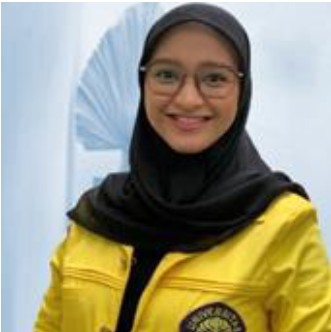
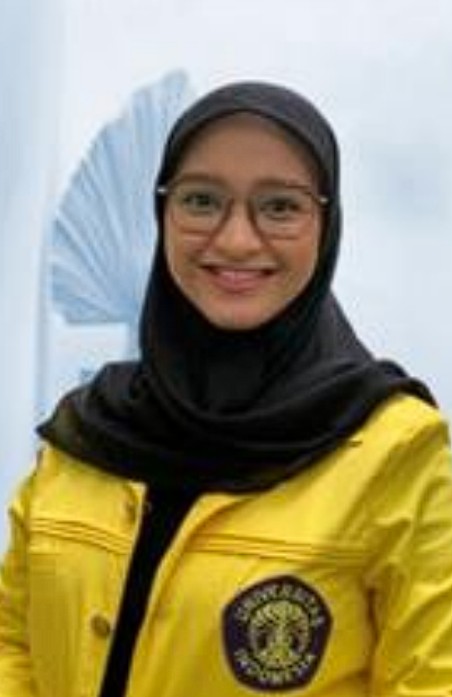
The next Karya Salemba Empat alumnus is a public health graduate who does not play a direct role at the forefront of health services, but is now at the forefront of health information in Indonesia. Awallokita Mayangsari, S.K.M. Mayang was a scholarship recipient of the Karya Salemba Empat Foundation for three periods, from 2007 to 2010.
Mayang is the eldest of three siblings, with a six-year age gap between her and her first younger sibling and an eleven-year gap between her and her youngest sibling. Her mother has a bachelor’s degree in education and works as an Indonesian language teacher at SMA Negeri 6 Bandung, while Mayang’s late father was a graduate of STM Penerbangan. When Mayang was in her second year of high school around 2004, her late father was laid off from the Indonesian Aircraft Industry (IPTN), the only place he had worked since graduating from the Aviation Technical School.
However, at that time Mayang was determined to take the 2006 SNMPTN exam, armed with a form purchased by one of her friends. Together with several other friends, they registered at the University of Indonesia. Mayang chose public health, her friend chose accounting, and her other friends registered for public administration and civil engineering.
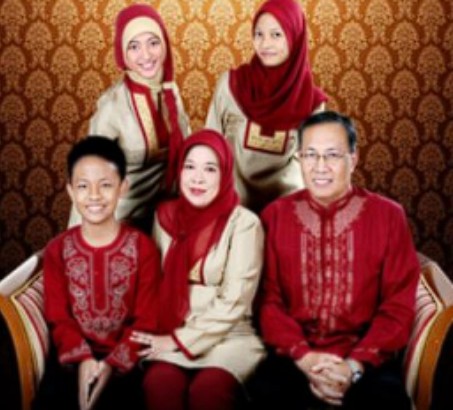
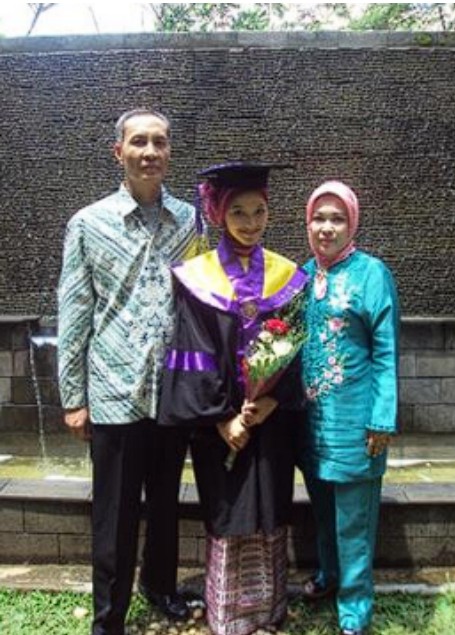
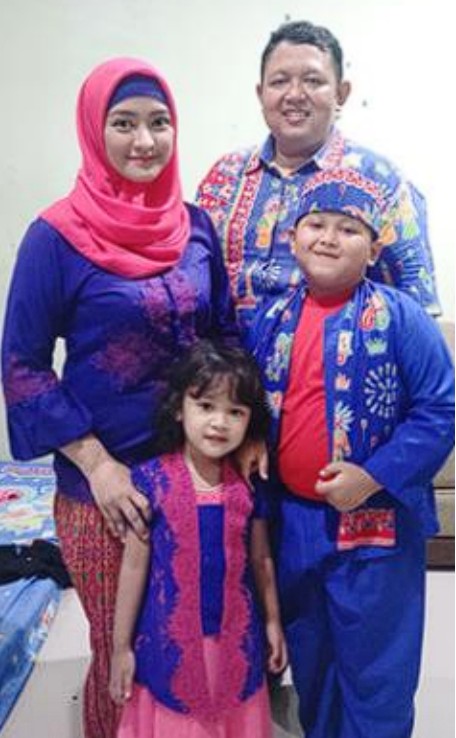
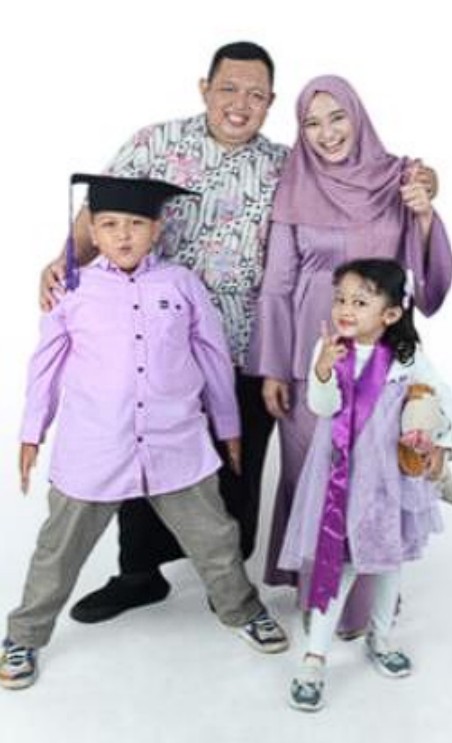
Mayang poses with her entire family upon graduating from high school in 2006 (left) and with her parents at her university graduation in 2010 (right).
Why did she choose UI? Because, according to Mayang, at that time, UI would not “expel” SNMPTN graduates even if they could not pay the tuition fees at the beginning of the academic year. There was a payment deferral mechanism and relief in the form of instalments for up to a year. So, Mayang’s goal at that time was to at least have the experience of “tasting” a year of studying at the University of Indonesia.
The dream of graduating from UI remains unfulfilled. Therefore, Mayang studied while working as a tutor at a tutoring centre in Depok, even taking the opportunity to become a private tutor so she could earn money to pay off her debts. Why did Mayang tell us this? Because, according to her, the KSE scholarship was like a golden ticket that allowed her to focus more on studying rather than working to earn money, enabling her to continue her education at the University of Indonesia (UI) until she graduated with a bachelor’s degree. This opened the door to better opportunities than she had imagined, leading her to her current profession as a public relations practitioner at the Indonesian Ministry of Health.

Learning About Health Want Your Family to Live Longer
Little Mayang once wondered why God was often unfair, why poor people were often sick. Why were good health and long life only for the wealthy? From this, Mayang concluded that the key to health was knowledge. Most of Mayang’s extended family did not live long, dying of cirrhosis or stroke. High blood pressure was common in the family, and even on her mother’s side, almost all of the children had experienced fever and jaundice (hepatitis B) when they were young. Without proper treatment, they could be expected to die young from liver cancer. In her mother’s family, three of seven siblings died before the age of 50 from cirrhosis. Almost all of them suffered from liver cirrhosis or stroke. By learning about health, we understand the importance of complete vaccinations and proper treatment. Hopefully, in the future, Mayang and her family can live longer.
Becoming a Bachelor of Public Health

Mayang successfully completed her bachelor’s degree at the Faculty of Public Health, University of Indonesia, in 8 semesters (2006-2010). Mayang’s major at that time was Health Promotion and Behavioural Science (Promkes), one of three majors that are actually core to public health, but for some reason, these three majors are the least popular at FKM UI.
In 2010, only 11 out of 164 students took the Promkes specialisation, one of whom was Mayang. Since childhood, Mayang had always aspired to become a doctor or teacher. However, since meeting Dr Zeta, sp.A (a paediatrician in Bandung who practised near the primary school Mayang used to attend), Public health doctors pray for their patients to recover and not return to their practice (not to fall ill again) because they seek to identify the cause of the illness and strive to resolve it at the community level. Thus, they are not merely doctors for individual patients but can become doctors who benefit the community.
At that time, it was the first time Mayang had heard the term public health. Even during high school, when she was researching the existence of this public health major, it was true that at UNPAD at that time, public health was one of the majors in the Faculty of Medicine. It was almost impossible for a child whose father had already stated that he could not afford to pay for university, yet the child was determined to enrol in the Faculty of Medicine, where it was common knowledge that tuition fees could reach hundreds of millions of rupiah. Alhamdulillah, at that time, she discovered that at UI, UNDIP, and UNHAS, the Faculty of Public Health was separate from the Faculty of Medicine.
Looking back on my time studying at the Faculty of Public Health, University of Indonesia, it was actually exciting to study public health because there were many practical assignments that became unforgettable experiences, such as serving as a health educator at various community service events, teaching personal hygiene to primary school students, providing tuberculosis prevention education and support to inmates at a detention centre, conducting avian flu prevention education in a village in Sukabumi that had experienced a high number of poultry deaths, and interviewing parents living in Gang Nyamuk Pancoran Mas, Depok, who had lost two of their children to dengue fever.
Personally, I really enjoy being able to communicate directly with those at risk of health problems (even marginalised groups), listening to their voices and stories that are rarely heard (especially being able to advocate for them).
Public Health Graduate Becomes Public Relations Officer for the Ministry of Health
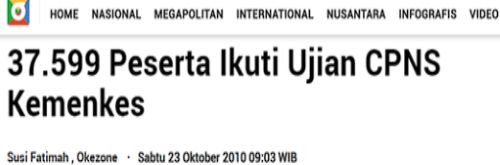

In 2010, towards the end of her graduation, Mayang actually enjoyed assisting several lecturers in the PKIP Department of the Faculty of Public Health at the University of Indonesia, namely Prof. DR. Dra. Sudarti Kresno, SKM, MA, and Dr. Zarfiel Tafal, M.PH. However, her parents’ perception that their child should get a job was based on the understanding that when the first child graduated, it was time for them to work to help pay for their younger sibling’s education. Mayang followed her parents’ advice half-heartedly, but she realised that when her parents’ prayers were answered, her path became easier. Mayang experienced this when she applied for the civil service recruitment selection at the Indonesian Ministry of Health in 2010. Mayang admitted that she had never aspired to become a civil servant. However, she strongly believed that this was the path of prayer, as the process felt very easy. This was the first time Mayang had applied and taken the test at Gelora Bung Karno Stadium alongside tens of thousands of other applicants.
But God is merciful, and Mayang was brought together with people who were wholeheartedly striving for the same goal. Some shared their experiences of having taken the test multiple times but still failing, while others had taken leave from work days in advance to participate in the selection process. Honestly, Mayang was ashamed to admit that she had only half-heartedly participated in the selection process because she did not want to become a civil servant. On her first attempt to register for the Ministry of Health’s civil servant selection process, Mayang was immediately accepted. Her acceptance was announced in November 2010, although she officially started work in February 2011. At that moment, Mayang resolved that sometimes what we desire may not necessarily be the best path chosen by God. This marked the beginning of Mayang’s career at the Indonesian Ministry of Health, assigned to the Public Communication Centre of the Ministry of Health (now the Communication and Public Service Bureau of the Ministry of Health), as a government public relations practitioner.
Persevering Despite Wanting to Resign
Becoming a spokesperson for the Ministry was not Mayang’s dream job. Initially, Mayang imagined that her role would be as a health educator at a community health centre, but it turned out that God had given her a much bigger role with a wider scope. Being a news writer for the Ministry of Health not only allows her to provide health education to individuals and communities, but the articles Mayang writes have also become references for mainstream media outlets.
However, upon being accepted as a civil servant at the Ministry of Health, Mayang felt an extraordinary dilemma. On the one hand, Mayang’s parents were very proud to see their daughter accepted for a job at the Ministry of Health. Mayang also gained extraordinary experience, being able to meet the Minister of Health every day as she covered his activities directly.
Mayang was also able to meet people in the health sector whom she had previously only read about in her lecture notes. What a dream it was for Mayang to be able to fly every month, travelling around to visit every province in Indonesia. But on the other hand, the workload for civil servants was enormous, yet the income was minimal. In 2010, Mayang’s basic salary as a civil servant at the Ministry of Health was only 80%, or Rp1,394,720 per month, without overtime pay, with an additional meal allowance of only around Rp500,000 per month and no other allowances (other income is available when we are on official business outside the city, so we have to fly a lot to get a decent take-home pay). Honestly, as a civil servant at the Ministry of Health, Mayang actually experienced a decrease in income compared to her earnings as a teaching assistant and participating in research projects. Honestly, several times she felt like giving up her civil servant number, resigning, and returning to campus, because after being accepted to work at the Ministry of Health, she could no longer send money to her parents.
However, the late Mr. Mayang wisely said that although Mayang’s job was low in terms of income, it offered great opportunities for charity, because at that time Mayang was entrusted with writing news articles for the official website of the Indonesian Ministry of Health. The late father’s words encouraged Mayang to persevere, “Every article you write and publish on the Ministry of Health’s website, if quoted by various media outlets, will bring you rewards, especially since it is information directly from a reliable source (the Minister of Health).”
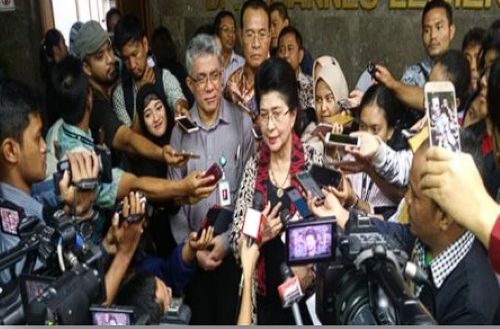
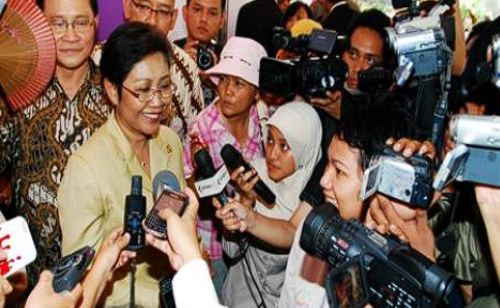
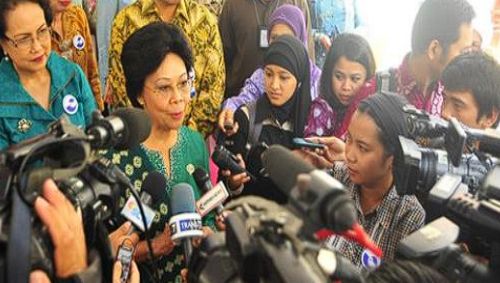
Praise be to God, since 2014, the Ministry of Health has implemented a performance allowance (Tukin) policy and civil servant base salaries that are more reasonable, at least in line with the minimum wage in the DKI Jakarta province. Personally, Mayang never imagined that from 2011 until now in 2024, she would continue to work as a public relations practitioner at the Ministry of Health of the Republic of Indonesia for so many years, even though she has not been able to secure a position as a junior public relations specialist.
In 2019, due to a change in regulations stipulating that all executive positions must be appointed as functional positions, Mayang was finally appointed as a senior public relations officer, even though this did not correspond to her rank and position (civil service rank III/c with the workload that Mayang carried out, she should have been appointed as a junior public relations officer).
Learn to Become a Health Public Relations Practitioner
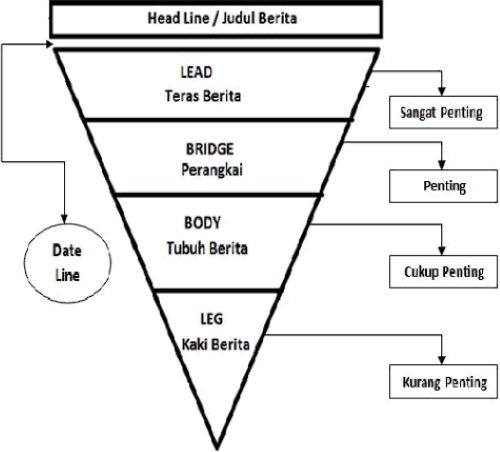
Initially, it was very difficult for Mayang to pursue a career in government public relations, because her educational background was in academia/research in the field of health, but her daily work was more oriented towards journalism and media handling, content creation, copywriting, and customer service. The first thing Mayang learned as a public relations practitioner and news writer for the Ministry of Health was that the concept of the triangle in journalism is the opposite of the triangle in academic scientific work. The conclusion is presented in the opening paragraph with an attractive or clickbait title, and techniques to capture the reader’s attention at the beginning of the article/content are crucial in journalistic writing.
Apart from the income aspect, when Mayang first became a civil servant at the Ministry of Health’s Public Communication Centre, the gap between her expectations and the reality of working at the Ministry’s Public Relations Office was the difficulty of adapting to changes in government agencies. One reason for this may be the significant age gap between her superiors, colleagues, and new employees, which poses a challenge in communication.
In 2011, Mayang was still doing conventional work in the digital age, such as sending letters by fax in the era of e-mail, and clipping health news (starting from reading newspapers, cutting out articles, analysing them, and pasting them one by one into media monitoring reports, photocopying them and sending them to all leaders before work hours began).
Pioneer of Social Media Advancement, Ministry of Health
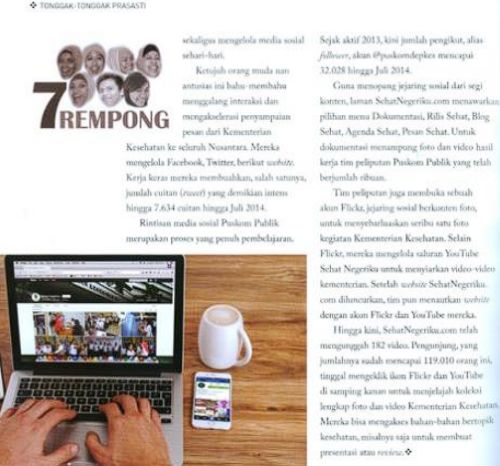

Within the Ministry of Health, social media is a new phenomenon that has not yet become a focus for the Ministry’s public relations practitioners, unlike Mayang’s previous internship experience in a private organisation.
In 2012, before Mayang’s status as a civil servant candidate changed to civil servant, Mayang was assigned to the Social Media Management Team for the Indonesian Ministry of Health website sehatnegeriku.com and Twitter account @puskomdepkes.
It was around 2012 or 2013 that Mayang joined the seven-person social media pioneer team at the Ministry of Health at that time. It started with creating the Twitter account @puskomdepkes, which had only around 700 followers. We began pioneering efforts to establish the precursor to the @kemenkes_ri account. So in 2012/2013, we started with seven young people who were willing to take on the challenge, even though at the time, leadership stated that social media was not a priority.
After a year of managing social media, it became increasingly apparent that more young minds were needed to contribute ideas to social media management. That is why, starting in 2013, we finally found seven people with the same frequency who ended up collaborating as content creators and content planners for the social media accounts Twitter and Instagram @puskomdepkes, Facebook Pusat Komunikasi Publik Kemenkes RI, the website sehatnegeriku.com, Flickr Sehatnegeriku, and YouTube Sehatnegeriku.
Two years later, when the Indonesian Ministry of Health acquired two government public relations officers from the Ministry of Communication and Information Technology, the Twitter, Facebook and Instagram accounts of the Public Communication Centre were transferred to become the official Twitter, Facebook and Instagram accounts of the Indonesian Ministry of Health and underwent the verification process.
Public Relations of the Ministry of Health: The Front Line of Health Communication
Following the human life cycle, health programmes are numerous. The same applies to the target groups, ranging from foetuses, infants, children, adolescents, productive age groups, to the elderly. However, health is a matter of regional autonomy, so the public needs to be educated about their rights, namely that health budgets are not out of reach, as they are already available in their respective local government coffers. In addition, it is necessary to continuously remind the public that maintaining good health is the responsibility of each individual.
Not to mention the abundance of health hoaxes in today’s digital age that need to be clarified so as not to mislead the public. Another issue is negative public opinion regarding health matters. If left unaddressed, this could lead to a communication crisis and trust issues with the government, distancing the public from accurate and more reliable health information, as they are reluctant to access official government channels.
1. Information and Complaints Service
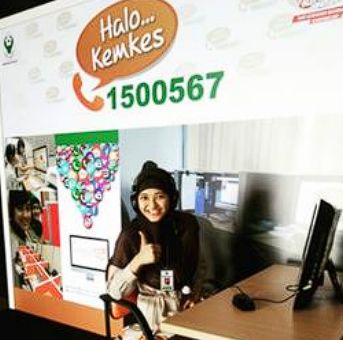
The Ministry of Health has official channels for submitting questions and complaints, namely the Halo Kemenkes 1500-567 telephone hotline, Whatsapp 081260500567, and the PPID website. Additionally, it also has various social media accounts (Facebook, Twitter, Instagram, TikTok, YouTube, etc.). However, it is a risk of the job as a health public relations officer that our contact numbers are widely available. Therefore, anyone from any background can contact our personal numbers to submit questions or complaints.

2. Creating Health Education Content
There is something important that Mayang learned while working as a health public relations officer, which is very different from what she learned as a health academic, namely that the triangle in public relations is the opposite of the academic triangle. The academic triangle starts from the problem, which we then examine. We find out what the possible solutions are. Then we conclude what the triangle is.
As a news writer at the Ministry of Health, Mayang is bound by strict deadlines. The news must be published tonight, because we are the providers of information for the media. The Ministry of Health’s press releases are not only written on the website, but must also be published before other media outlets.
As a news writer for the Ministry of Health, Mayang learned that even the smallest typo can have fatal consequences because it will be quoted by the media. Additionally, the speed at which the Public Relations Department processes and presents news is now competing with the speed at which online media outlets present their news.

In 2012, Mayang covered the introduction of the new Minister of Health, Nafsiah Mboi. Previously, she served as Chair of the AIDS Protection Commission (KPA). During a doorstop interview with the media, she answered questions about condoms and HIV/AIDS prevention, but one media outlet twisted her words to suggest that one of the new Health Minister’s programmes was condomisation, causing public uproar.
3. Media Handling
Dynamic interaction between government public relations practitioners and the media is an important modality in building kinship and governance. The media requires information, while government public relations practitioners can utilise media platforms to increase public trust and effectively manage public opinion and engagement. This ranges from facilitating interview requests, holding press conferences, exposing regional health developments (media gatherings), to audiences between the Minister of Health and media editors-in-chief.
4. Becoming a Member of the International Health Event Communication Team
“Mayang has been involved in national and international health events as a member of the health communication team. At that time, there was a health ministerial meeting of the World Health Assembly, which Indonesia hosted in Bali. Mayang was in charge of coverage, creating news content, promoting content, and preparing materials for leaders, such as briefing sheets for leaders during media press conferences. So, she was not a spokesperson, but rather worked behind the scenes to support the leaders,” explained Mayang.
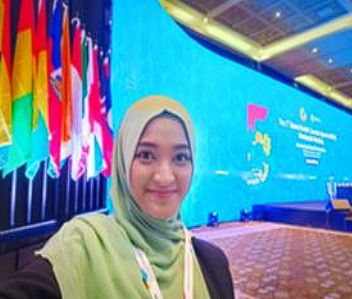
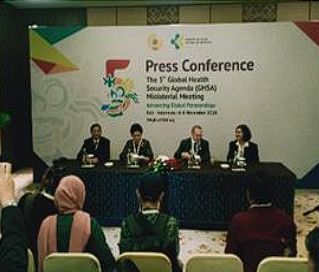
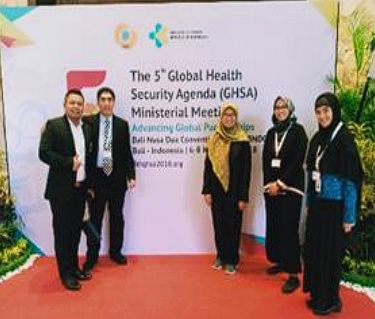
When he was a media communication team for the 5th Global Health Security Agenda (GHSA) Ministerial Meeting in Bali, November 2018
5. Inter-institutional liaison
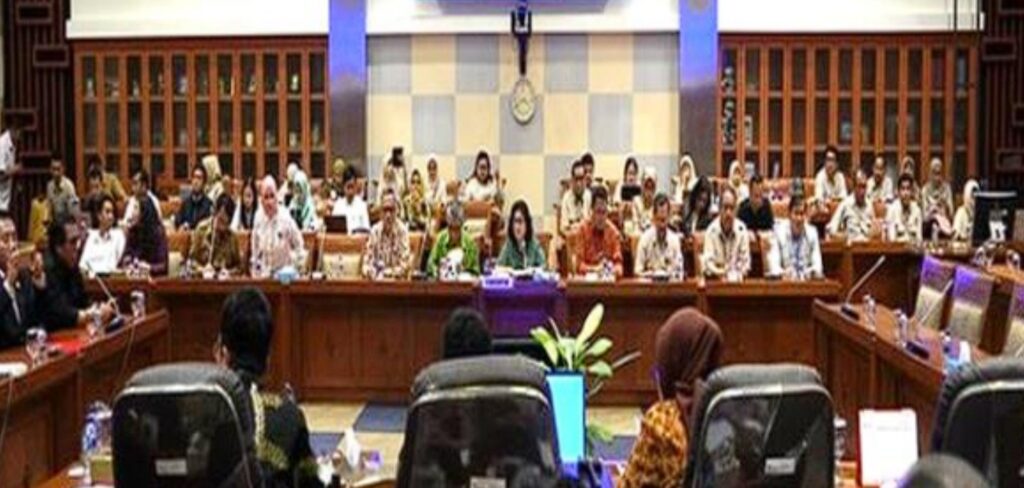
Government public relations officers play a role not only in managing communication between the government and the public, but also as liaisons between institutions. This is important to ensure effective coordination, synergy in policy implementation, and the smooth flow of information across various government agencies. In addition to acting as a liaison between external institutions, the Ministry’s Public Relations Office is usually responsible for compiling leadership materials obtained from various work units. With effective communication and good coordination, public relations can ensure that the government works as a coordinated unit that is responsive to public needs.
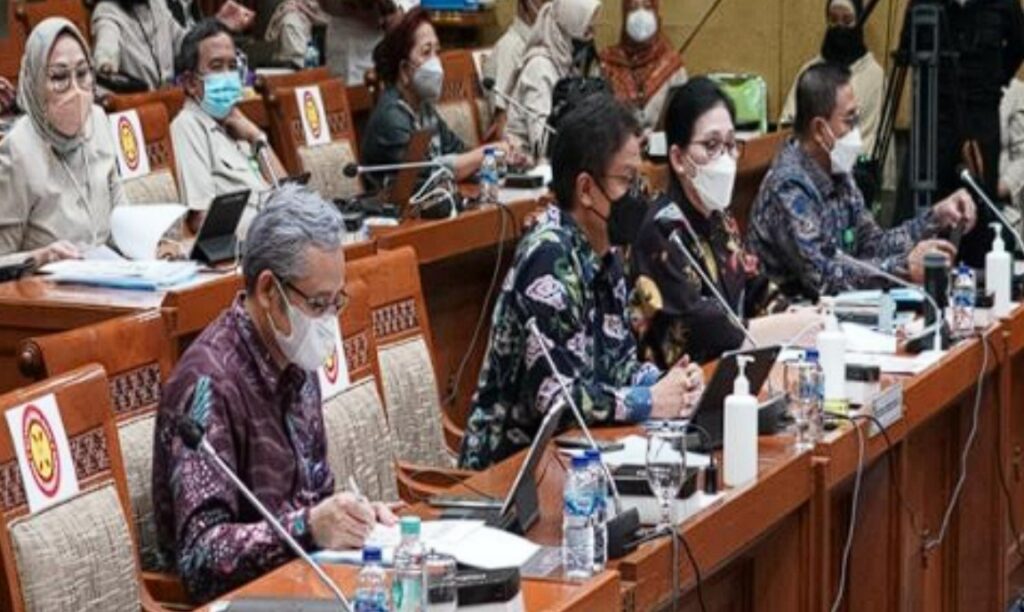
The Public Relations Office is responsible for finalising leadership materials and communicating them to other institutional liaisons, broadcasting them when necessary, and taking minutes of inter-institutional meetings attended by the Indonesian Minister of Health for follow-up materials afterwards.
6. Coverage of leadership activities
Another important task of health public relations is to document leadership activities and publish them. This not only serves as a tool for transparency and accountability, but also as a way to build a positive image of the government in the eyes of the public.
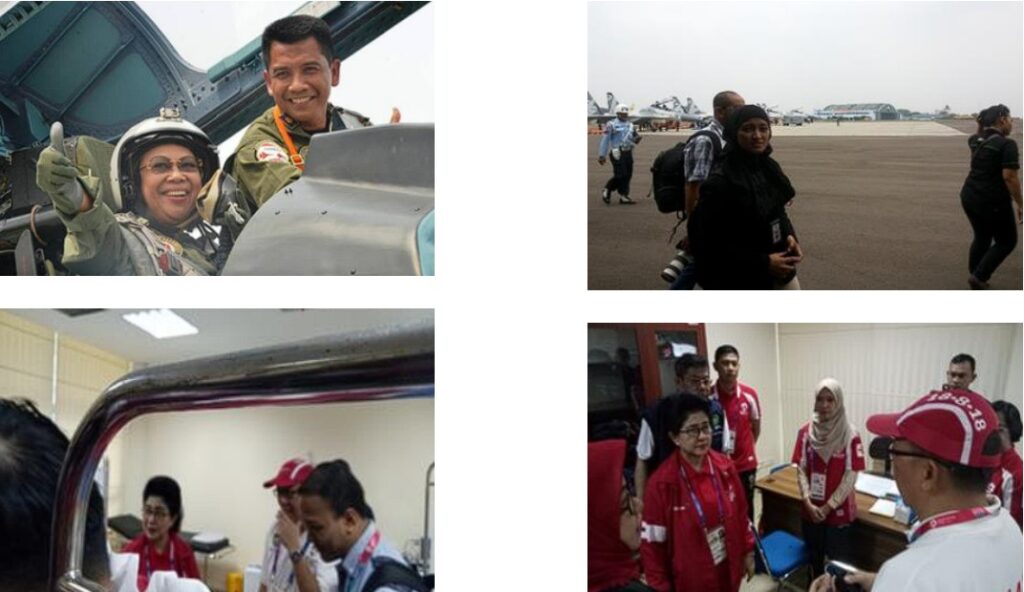
Communication vs Public Health
Communication and public health are two interrelated matters, especially when it comes to health promotion, disease prevention, and responses to health crises. Some activities that demonstrate the relevance of what is learned in public health and its implementation in daily work in the field of communication include creating educational health content for the community to understand the importance of healthy behaviour, health crisis management, behaviour change campaigns, and escalating input and advocacy for health policies.
When I first joined the Ministry of Health’s Public Relations Department, I noticed that the communication approach was different from the outset. Perhaps it wasn’t particularly profound in substance, but a single message could be packaged in an interesting way to convey its strategy, where and by whom, and when the momentum was right for it to reach the public. Meanwhile, from an academic perspective, all issues seemed important. This had to be conveyed, and this, and this too.
“The position that Allah has given Mayang now is as if she has become a liaison for her colleagues who are experts in a particular field, so that they can always choose a ‘single message’ to convey in simple language that the community can understand. There needs to be a communication strategy and planning, and this message must be conveyed for a certain period of time.
Health Information Challenges
The dynamic flow of the current digital era has brought various challenges to the field of health information and communication, including:
1. Complexity of Health Messages
Conveying complex health information in a clear and easily understandable manner to various segments of society is a daunting challenge. Messages must be tailored to different levels of health literacy among the public. This is especially true when presenting content on social media, which has a diverse range of followers.
2. Disinformation and Misinformation
The spread of inaccurate health information can be misleading and even dangerous. This is often exacerbated by social media. Examples include myths about vaccines, alternative treatments that are not scientifically proven, and even conspiracy theories about infectious diseases. Although it is very difficult to correct information that has been widely disseminated and accepted by some people, debunking health hoaxes on social media must continue. Not only Facebook and Twitter (currently threads), but also IG reels, IG stories, TikTok shorts, TikTok live, YouTube shorts, YouTube live streaming, and even WhatsApp broadcasts must also be managed.
3. Public Trust
Low public trust in health institutions and official sources of information, such as the government and health organisations, can be dangerous, as the public will be vulnerable to misinformation whose accuracy cannot be verified. Trust is a key factor in the effectiveness of health communication. A crisis of trust can hinder the acceptance of important health messages.
4. Access to Health Information
To date, not all communities have equal access, and the digital divide means that some groups do not receive adequate health information. Some communities are easily reached, while others are not reached at all. In addition, the diversity of languages and cultures in the regions can also hinder access to health information.
5. Privacy and Security
Data In the aftermath of the Covid-19 pandemic, various ministries, including the Ministry of Health, are currently implementing six pillars of health system transformation, one of which is digital health transformation. Data security issues are one of the communication crisis risks that have emerged recently. Health public relations play a major role in communicating policy changes, advances in health technology, and even the various risks of these changes to the public.
Mayang & Family
Mayang is now married. Mayang’s husband, Arif Awaludin Ashar (37), thank God, always supports each other as a team in their household. Mayang and her husband met at the Ministry of Health office because her husband is also a civil servant at the Ministry of Health, assigned to the Directorate of Nutrition and Maternal and Child Health (GKIA Directorate). However, what is more interesting about our meeting is not that, but rather that we were brought together because people often said that our names were similar (Awallokita and Awaludin) and our birthdays were close (5 and 7 March). It was precisely for this reason that we finally got to know each other, started a relationship, and got married in June 2014.
As someone called to work in the field of health, serving the community is a duty that must take precedence over family. When the pandemic was declared in Indonesia in March 2020, at a time when many people may have felt bored working from home (WFH), Mayang hardly felt the effects of WFH because, as a public relations officer, she still had to work both at the office and at the Minister of Health’s official residence, given that the Minister of Health’s schedule of meetings, interviews, and press conferences during the emergency situation was very busy. When the first COVID-19 patient in Indonesia was announced to have recovered at a conference on 2 March 2020, Mayang’s second child was exactly six months old, and it was the first day she started eating solid food. However, Mayang was unable to return home to feed her first solid meal.
As a result, Mayang missed many important milestones in her second child’s development due to the demands of her work. Even at the age of three, Mayang realised that her second child could not speak (experiencing speech delay) because her developmental stimulation needs had not been adequately addressed.
“Mayang’s sacrifice is not that great when compared to her colleagues in the health sector who are directly involved with patients. After all, during a pandemic, leaving one’s family behind to serve the public is the only option available,” said Mayang.
It’s Never Too Late for Your Dreams
Be like a good virus, capable of quickly spreading positive things to others, no matter how small, wherever you are.
One of the messages from one of the founders of KSE that Mayang still remembers to this day has strengthened her resolve to continue working to the best of her ability. In truth, whatever role we are given today, wherever we work (whether in the professional sphere or even in the domestic sphere), each of us can do positive things that are beneficial and have an impact on others. After 13 years working as a Public Relations Officer at the Ministry of Health, Mayang finally had the opportunity to pursue her master’s degree. In fact, Mayang had wanted to continue her education for a long time, but was hindered by several factors. During the previous leadership period, Mayang’s application was not approved because the leadership felt that there was still a lot of work that needed to be completed by Mayang.
However, with the arrival of the new leader, Mrs. Siti Nadia Tarmidzi, Mayang finally obtained permission to attend university. Mrs. Siti Nadia is a figure who strongly supports education. She encouraged Mayang to continue her education immediately and allowed Mayang to pursue a master’s degree at the Faculty of Public Health (FKM UI), returning to the Promkes study programme, which is Mayang’s preferred field. Baarakallah, a blessing from Allah, after 13 years of dedication and waiting, Mayang finally received permission from the new Head of the Public Communications Bureau, Mrs. Dr. Siti Nadia Tarmizi, to continue her education. Currently, Mayang is pursuing her master’s degree in public health (health promotion specialisation) at the same university as her previous alma mater, the Faculty of Public Health at the University of Indonesia, with a scholarship from the Ministry of Health of the Republic of Indonesia.